deefstes wrote:
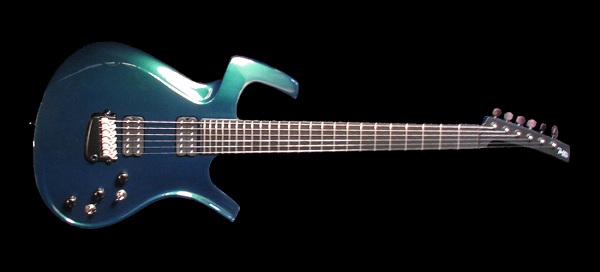
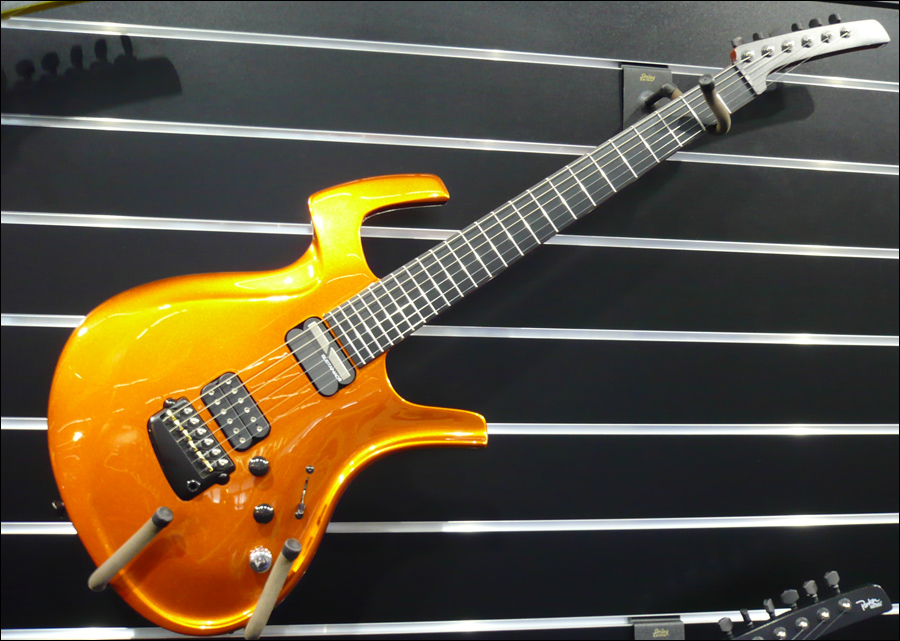
I was under the impression that one of the signature features of Parker Fly is the composite materials it is made from and specifically the exoskeleton - which is defeated by a Walnut top isn't it?
Yes. The cornerstone of the design is the neck & body are made with very thin, light woods (basswood and alder, sometimes spruce respectively), joined with a finger joint and all reinforced with a composite exoskeleton. It made them incredibly light (under 2kgs) and resonant. There were lots of other innovations too (curved backs, stainless frets -
glued to the fingerboard, locking tuners, piezo saddles, carbon fibre nut, locking/dive only/full floating trem - changeable on the... er...fly, etc.), but the core of the design was the construction.
Unfortunately they bowed to the pressure of more traditionally-minded guitarists wanting mahogany or ash bodies, rosewood fingerboards, figured wood tops and even bolt-on necks. But IMO, those are not "proper" Parker Flys - they are just Parker shaped standard guitars. That's ultimately why Ken Parker sold the company and started making archtops - he was disillusioned with the way he was being forced to modify what he considered as the perfect electric guitar design to pander to (old) fashions and tastes.
I played the original Fly and it was a work of art - the only reason I didn't own one then (or now) is the corner on the upper cutaway, as I play very high and it digs into my chest.
The new owners, American Musical (same guys who have screwed up Washburn) seem to be screwing things up royally with the parkers too, making economies wherever they can and more often than not (at least last time I looked) messing up custom shop and even endorsement orders badly.